
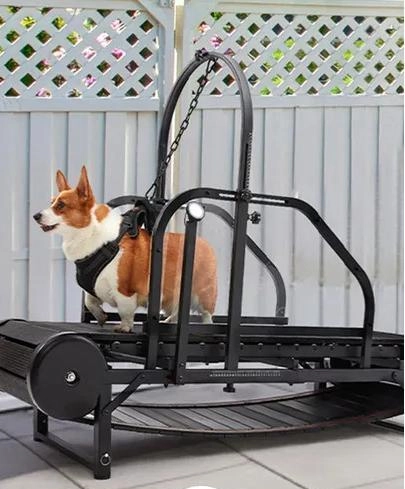
The Obesity Issue
In recent years, pet obesity has become an increasingly serious health issue worldwide. Research shows that the prevalence of obesity in pets is rising year by year, especially in urban areas, where more and more dogs are facing the challenge of being overweight. Modern pet lifestyles, such as high-calorie diets and a lack of sufficient exercise, have become the primary contributors to this growing problem.
While obesity is often viewed as a human health challenge, it is also affecting our pets. Obesity is no longer just an aesthetic concern; it directly impacts pets' health and well-being. As pet owners, it is our responsibility to pay attention to our dogs' weight and create a healthier, more fulfilling life for them.
Definition of Obesity
Obesity in dogs is defined as a condition where a dog’s body weight exceeds the ideal range for its size and breed. It is typically measured using metrics like body fat percentage or Body Mass Index (BMI). While BMI is more commonly used in humans, for pets, a body condition score (BCS) is often used to assess whether a dog is overweight or obese. A BCS scale typically ranges from 1 to 9, with a score of 5 being ideal. Dogs scoring 7 or higher are generally considered overweight or obese.
How to Determine if Your Dog is Obese
As a pet owner, you can perform a simple physical assessment to check if your dog is overweight or obese. Here are a few ways to evaluate your dog's body condition:
- Rib Check: Gently feel your dog’s ribs. If you can easily feel the ribs with a light touch, and there’s no layer of fat covering them, your dog is likely at a healthy weight. If the ribs are difficult to feel, your dog may be carrying excess weight.
- Abdominal Evaluation: When viewing your dog from the side, the belly should have a noticeable upward curve from the ribcage to the hind legs. If the belly hangs down or is flat, this can be a sign of overweight or obesity.
- Waistline: Looking at your dog from above, there should be a defined waist behind the ribs. If the waist is not visible or there is no noticeable curve, the dog may be overweight.
- Body Condition Score (BCS): Many veterinarians use a 9-point BCS scale to assess a dog’s overall condition. A score of 4-5 is ideal, while a score of 6 and above indicates overweight or obesity.
By performing these simple checks regularly, you can catch weight issues early and take necessary steps to help your dog maintain a healthy weight. If in doubt, always consult your veterinarian for a more accurate assessment.
The Dangers of Obesity in Dogs
Obesity in dogs is not just about appearance; it has serious consequences for their overall health and well-being. Here are some of the major risks associated with dog obesity:
- Joint Problems
Extra weight puts a significant strain on your dog’s joints, especially the hips, knees, and spine. This can lead to painful conditions like arthritis and hip dysplasia, making it harder for your dog to move and play. - Heart Disease
Obesity increases the risk of developing heart disease. Excess weight forces the heart to work harder to pump blood, leading to a greater likelihood of heart failure, particularly in older dogs. - Respiratory Issues
Overweight dogs often experience difficulty breathing due to the excess fat around the chest and abdominal area. This can lead to labored breathing, reduced exercise tolerance, and even respiratory distress during physical activity. - Diabetes
Obesity is a major risk factor for diabetes in dogs, especially in certain breeds. The body becomes less efficient at using insulin to regulate blood sugar levels, leading to insulin resistance and the development of diabetes. - Liver Disease
Overweight dogs are more likely to develop liver disease or fatty liver. Fat deposits in the liver can interfere with its ability to detoxify the body and perform essential functions, leading to serious health problems. - Reduced Immune Function
Obesity can weaken your dog’s immune system, making it more difficult for the body to fight off infections and illnesses. Overweight dogs may be more prone to developing chronic conditions and infections. - Shortened Lifespan
Obesity has been linked to a reduced lifespan in dogs. The extra weight leads to more health problems, which can shorten your dog’s life and diminish its quality of life. - Decreased Quality of Life
An overweight dog may have less energy, reduced mobility, and an overall lower quality of life. They may struggle to play, exercise, or even move comfortably, leading to frustration and a decline in overall happiness.
Conclusion
Obesity is one of the leading preventable health risks for dogs. It not only affects their appearance but also leads to serious, life-threatening conditions that can significantly shorten their lifespan.
Causes of Obesity in Dogs
Obesity in dogs can result from a combination of factors, often involving the dog's lifestyle, diet, genetics, and overall health. Here are some of the most common causes:
- Overfeeding and Poor Diet
One of the primary causes of obesity in dogs is overfeeding. Many pet owners unknowingly provide their dogs with too much food, especially when they offer high-calorie treats, table scraps, or a surplus of kibble. Additionally, feeding low-quality, high-fat food can contribute to weight gain. Some dogs are also prone to weight gain if their food lacks the necessary nutrients or is too high in carbohydrates. - Lack of Exercise
A sedentary lifestyle is another leading factor. Dogs that are not regularly exercised, whether due to a lack of outdoor activity, the owner's busy schedule, or other factors, are more likely to gain weight. Regular physical activity helps burn calories and maintain a healthy weight, so without it, the dog’s energy intake exceeds energy expenditure, leading to weight gain. - Genetics and Breed Predisposition
Some dog breeds are more prone to obesity due to their genetics. Breeds like Labrador Retrievers, Beagles, Dachshunds, and Cocker Spaniels tend to gain weight more easily. While genetics plays a role, it's still the owner’s responsibility to manage their dog’s weight through proper diet and exercise. - Age
As dogs get older, their metabolism naturally slows down. Older dogs are less active, and their bodies require fewer calories. Without adjusting their diet and exercise routine to match their lower activity levels, senior dogs can gain weight easily, which can lead to obesity-related health problems. - Medical Conditions
Certain medical conditions can also contribute to obesity in dogs, such as:
Hypothyroidism:A condition where the thyroid gland doesn’t produce enough hormones to regulate metabolism.
Cushing's Disease:A condition that causes the body to produce too much cortisol, leading to increased fat accumulation.
Diabetes: While diabetes can result from obesity, the condition itself can also make weight management more difficult.
If a dog is diagnosed with one of these conditions, it can lead to weight gain or difficulty losing weight, even with changes in diet and exercise.
- Spaying/Neutering
While spaying or neutering is an important part of pet care, it can contribute to weight gain in some dogs. After being spayed or neutered, some dogs experience a decrease in their metabolic rate and a change in hormone levels, which can lead to increased appetite and decreased energy levels. - Inconsistent or Excessive Treats
Giving your dog too many treats or feeding them unhealthy snacks can easily lead to an increase in their calorie intake. Some owners unintentionally over-reward their dogs, especially when training or comforting them. Treats should only make up a small portion of a dog’s daily caloric intake. - Environmental Factors
Living conditions also play a role in obesity. For example, dogs that live in apartments or small spaces may not get the physical activity they need. Additionally, dogs that are left alone for long periods may be prone to boredom and may overeat or lack stimulation, leading to weight gain.
Conclusion
Obesity in dogs is often the result of multiple factors, including overfeeding, lack of exercise, breed predisposition, medical conditions, and aging. Understanding the causes of obesity in dogs is the first step toward preventing and managing it.
How to Prevent and Manage Obesity in Dogs
Preventing and managing obesity in dogs involves a combination of proper diet, regular exercise, and overall health monitoring. Here are key strategies to help keep your dog at a healthy weight:
- Establish a Balanced Diet
Measure Food Portions: Follow the feeding guidelines on your dog’s food packaging or as recommended by your veterinarian. Avoid free-feeding (leaving food out all day) as it can lead to overeating.
Choose Quality Dog Food: Provide nutritionally balanced food that’s appropriate for your dog’s age, size, breed, and activity level. Opt for food with high protein, moderate fat, and controlled carbohydrates to prevent weight gain.
Avoid Overfeeding Treats: Treats should make up no more than 10% of your dog’s daily calorie intake. Offer healthy treats like carrots or small pieces of apple, and ensure you're not over-rewarding with high-calorie snacks.
Control Table Scraps: Avoid feeding your dog table scraps, as human food often contains too much fat, sugar, and salt, which can contribute to weight gain.
Measure Daily Intake: Use a measuring cup to ensure you’re not accidentally overfeeding. Consider dividing meals into smaller, more frequent feedings if your dog has trouble sticking to a set feeding schedule.
2. Increase Physical Activity
Daily Exercise: Aim for at least 30 minutes to 1 hour of exercise daily, depending on your dog’s breed, age, and health condition. Activities like walking, running, playing fetch, or swimming can help burn calories.
Interactive Play: If your dog isn’t into outdoor activities, try using toys for indoor play, such as interactive fetch or tug-of-war. These games help stimulate your dog both physically and mentally.
Training Sessions: Incorporate obedience or agility training into your routine. This can be both fun and physically engaging for your dog while also reinforcing good behavior.
3. Regular Weight Monitoring
Weigh Your Dog Regularly: Weigh your dog at least once a month to track their weight. If you notice any gradual weight gain, adjust their food and exercise accordingly.
Body Condition Score (BCS): Regularly assess your dog’s body condition using a body condition score chart (BCS). This helps you monitor their overall condition and determine if they’re underweight, ideal weight, or overweight.
4. Consult Your Veterinarian
Veterinary Checkups: Regular vet visits are essential for monitoring your dog’s health and weight. A vet can assess if your dog is at risk of obesity and recommend a weight management plan tailored to your dog’s needs.
Health Screening: If your dog gains weight despite a healthy diet and exercise routine, consult your vet to rule out underlying medical issues like hypothyroidism, Cushing’s disease, or diabetes.
5. Adjust Food Intake Based on Activity Level
Adjust Portions for Activity Level: If your dog’s activity level decreases (e.g., during colder months or when they’re recovering from an injury), reduce their food portions accordingly to prevent weight gain.
Senior Dogs: Older dogs often have lower energy needs. Adjust their diet to suit their reduced activity levels and metabolism to prevent them from gaining excess weight.
6. Spaying/Neutering Considerations
Monitor After Spaying/Neutering: Dogs often experience a decrease in metabolism after being spayed or neutered, which can lead to weight gain. Be mindful of adjusting your dog’s food portions and increasing their exercise to prevent weight gain post-surgery.
7. Behavioral Strategies
Avoid Emotional Eating: Dogs may gain weight due to emotional factors, such as boredom, stress, or lack of stimulation. Ensure your dog has plenty of mental and physical engagement to reduce the likelihood of overeating due to emotional reasons.
Create a Routine: Stick to a regular feeding and exercise routine. Dogs thrive on consistency, and a set schedule will help prevent overfeeding and promote a healthy lifestyle.
8. Use Puzzle Toys and Food Dispensers
Interactive Feeders: Use puzzle toys or food-dispensing toys to slow down feeding and stimulate mental activity. These toys encourage your dog to work for their food, which can also prevent overeating.
Conclusion
Obesity poses serious health risks to dogs, leading to a range of conditions such as joint problems, heart disease, diabetes, and reduced lifespan. These health issues not only affect your dog’s well-being but also diminish their quality of life. As responsible pet owners, it’s crucial to take proactive steps in preventing and managing obesity.
Regularly monitor your dog’s weight, provide a balanced diet, encourage daily exercise, and consult with a veterinarian to ensure your dog maintains a healthy weight. By staying vigilant with weight management, you can help your dog live a longer, happier, and healthier life. The key to a long and vibrant life for your dog is to prioritize their health and well-being today.
0 Comments