
Introduction
Pet owners worldwide are becoming increasingly particular about the quality, safety, and durability of products they choose for their furry friends. As demand grows, the journey from a dog bed factory to a pet owner’s living room is becoming more sophisticated, involving strict quality control, innovative design, and efficient supply chain management. This article explores how modern manufacturers meet global standards and help retailers thrive.
1. The Manufacturing Process: From Raw Materials to Luxury Comfort
A reputable oem pet bed manufacturer starts by sourcing premium fabrics, hypoallergenic fillings, and sustainable materials. The process involves design planning, pattern cutting, assembly, and detailed stitching. Each bed must meet safety and comfort requirements before leaving the factory floor. By combining ergonomic design with durable construction, manufacturers create beds that provide proper joint support, temperature regulation, and long-lasting performance.
2. Why Wholesalers Matter in the Pet Bedding Industry
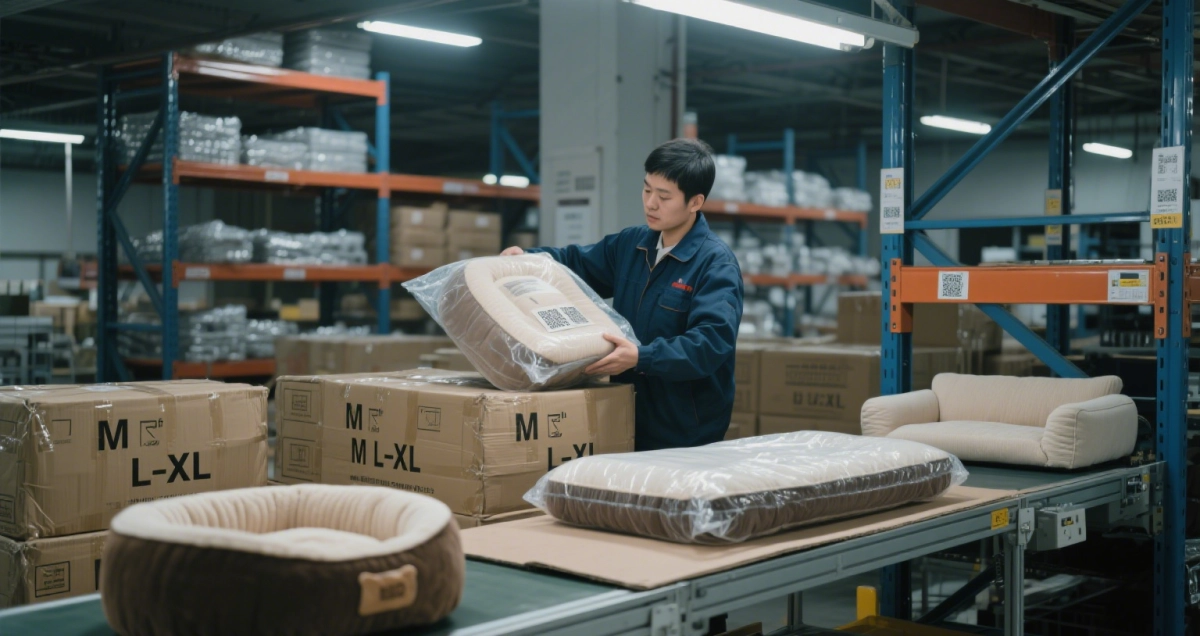
A professional dog bed wholesaler acts as the crucial bridge between manufacturing and retail. Wholesalers handle bulk orders, manage warehousing, and ensure retailers have consistent stock. This role is especially vital for international markets, where shipping times and inventory reliability can impact seasonal sales and customer loyalty.
3. Customization: Meeting Diverse Retailer Needs
Modern pet bed production is no longer one-size-fits-all. Many factories now offer custom sizing, color schemes, branding, and packaging options. Retailers can request beds tailored to niche audiences, from orthopedic beds for senior dogs to travel-friendly foldable models for active pet owners. Custom orders allow stores to stand out in a competitive market and develop a signature product line.
4. Quality Control and Compliance Standards
High-quality dog bed factories follow strict ISO or SGS certification processes. These ensure that beds are safe, durable, and free from harmful chemicals. Regular inspections, durability testing, and customer feedback loops allow manufacturers to constantly refine their products and maintain a high standard in the global market.
5. The Growing Global Demand and E-Commerce Shift
The pet industry’s rapid expansion—fueled by increased pet ownership and the humanization of pets—has created new opportunities for both manufacturers and retailers. Online marketplaces, direct-to-consumer models, and subscription box services are changing how pet beds are distributed, making logistics efficiency more critical than ever.
Conclusion
From design innovation to strict quality checks, today’s dog bed manufacturing process is a blend of craftsmanship and technology. Whether working directly with a factory, partnering with a wholesaler, or customizing products for niche markets, understanding this supply chain can help businesses deliver superior products and grow their market presence.
0 Comments