
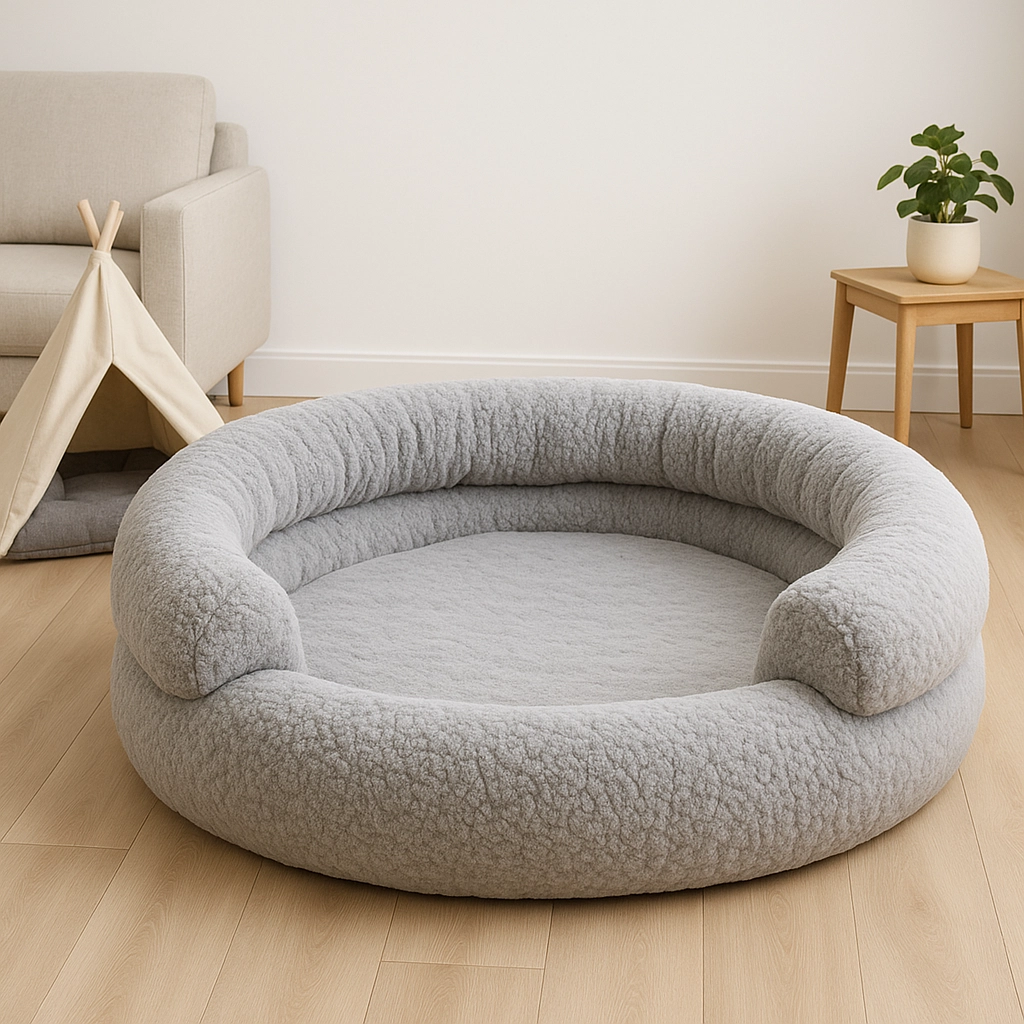
The Growing Appeal of Large Human Dog Beds: Comfort, Design, and Market Opportunity
Introduction
Over the last few years, the global comfort-product market has experienced a noticeable shift. Consumers are no longer satisfied with conventional seating options like sofas, floor cushions, and beanbags; instead, they are gravitating toward inventive, emotionally comforting designs. Among these, the large human dog bed has emerged as one of the most surprising yet impactful trends.
What began as a social-media curiosity has matured into a legitimate category within home-comfort, wellness, and lifestyle furnishings. At the same time, factories producing human-scaled pet-inspired furniture—such as the giant dog bed for humans for sale or cozy hybrid structures like the puppy tent bed—are capitalizing on this momentum by offering brands more design flexibility and stronger product differentiation.
This article explores the mechanics behind this growing trend: why consumers love it, how manufacturers build high-quality versions, and how B2B brands can strategically position themselves in this rapidly expanding niche.
1. Why Human-Sized Dog Beds Are Capturing Consumer Interest
Comfort as a New Form of Self-Care
Modern life is stressful. Between remote work, digital fatigue, and increasing mental-health awareness, consumers are seeking products that help them unwind in simple, tactile ways. A human-sized dog bed offers a feeling of enveloping comfort—something like being wrapped in a plush, supportive nest.
Unlike sofas or chairs, these beds offer a grounded, floor-level experience that many users find psychologically calming. The raised bolster edges mimic the secure, cozy feeling that dogs enjoy, but scaled to adult proportions.
The Viral Catalyst
The rise of human dog beds can largely be traced to TikTok and Instagram. Early adopters—gamers, influencers, and home-decor creators—helped the category go viral with humorous content showing adults relaxing inside oversized “dog beds.” The humor caught attention, but the comfort sold the idea.
After just a few viral posts, thousands of consumers began searching for alternatives that were well-designed, well-constructed, and offered at retail-ready quality.
Emotional Aesthetic
These products also appeal emotionally. Many consumers love the idea of “sharing” cozy spaces similar to their pets, and this emotional association boosts purchase intent. This human-pet connection elevates the product from novelty to lifestyle accessory.
2. How High-Quality Human Dog Beds Are Designed and Manufactured
Premium Materials
Manufacturers who specialize in this category understand that human use demands far higher performance standards than pet use. Premium beds typically incorporate:
-
High-density, human-grade memory foam
-
Orthopedic support layers
-
Overstuffed side bolsters with shape-retention fibers
-
Ultra-soft sherpa, velvet, or microfiber exterior
-
Non-slip PVC bases for stability
Unlike cheap consumer knockoffs, these beds must retain shape after repeated, long-term use.
Human Weight-Support Engineering
The structural engineering behind human dog beds is significantly more complex than many new brands realize. Manufacturers must test:
-
Load distribution under adult weight
-
Bolster tension and resistance
-
Foam recovery time
-
Seam durability under pressure
-
Base stability on hardwood, carpet, or tile
Reliable factories run pressure simulations that ensure customers won’t experience sagging, tearing, or collapsing bolsters after a few weeks.
Ergonomic Design Matters
Consumers are not simply shopping for novelty—they want comfort. That means ergonomic support and proper design elements such as:
-
Raised bolsters for head, shoulder, and back support
-
Breathable materials to reduce overheating
-
Wide, padded interior space
-
Multi-layer foam combinations
-
Low-entry points for easy access
Manufacturers that optimize ergonomics consistently deliver better customer satisfaction and lower return rates.
The Rise of Hybrid Designs
Influences from the puppy tent bed and pet-furniture innovations have led to new hybrid human-bed styles, including:
-
Semi-enclosed tent-style human beds
-
Cave-style sensory-friendly pods
-
Oversized nest-shaped human loungers
-
Modular designs with detachable bolsters
These new shapes accommodate a wider range of consumer lifestyles—from gamers seeking immersive comfort to adults seeking grounding sensory spaces.
3. Branding, Positioning, and Product Differentiation for Retailers
Ideal for Private Label
Human dog beds are extremely private-label friendly due to:
-
Large, visually distinctive designs
-
Easily customizable fabrics and colors
-
Strong social-media virality
-
Emotional consumer appeal
-
High margin potential
Factories commonly offer options such as:
-
Custom sherpa or faux-fur fabrics
-
Solid-color minimalist palettes
-
Dual-tone or gradient color themes
-
Personalized logo embroidery or silicone labels
-
Custom foam density for branding tiers
This adaptability allows brands to differentiate quickly and target specific niche audiences.
Positioning for Wellness and Lifestyle
The strongest-performing brands aren’t marketing human dog beds as jokes—they are positioning them within:
-
Mental-wellness routines
-
Sensory-friendly relaxation setups
-
Gaming and streaming environments
-
Cozy home-office spaces
-
Modern floor-lounge seating
-
Dorm-friendly minimalist comfort solutions
This wellness-oriented narrative resonates deeply with Gen Z, millennials, and comfort-seeking adults.
The Power of Lifestyle Storytelling
Effective storytelling turns a simple product into a lifestyle object. High-performing brands use narratives like:
-
“Your personal sanctuary for decompressing.”
-
“A cozy, grounded space to rest your mind.”
-
“Designed for humans, inspired by pets.”
These emotional hooks increase perceived value and encourage word-of-mouth marketing.
4. What Retailers Should Look for in a Manufacturing Partner
Quality Control Practices
A reliable supplier follows strict QC procedures, such as:
-
Fabric abrasion testing
-
Foam density checks
-
Seam strength testing
-
Stitch integrity inspection
-
Shape-retention cycle testing
-
Compression and recovery tests
Quality consistency is crucial, especially when selling high-margin, large-format comfort products.
Production Scalability
Human dog beds are extremely responsive to social-media spikes. Brands must work with factories that can:
-
Scale production quickly
-
Maintain stable lead times
-
Support mixed SKU and customization
-
Provide low MOQs for testing
-
Maintain raw-material availability
This flexibility enables brands to capitalize on viral moments.
Packaging and Shipping Efficiency
Because the product is oversized, packaging matters. Good factories use:
-
Vacuum-compression techniques for foam
-
Reinforced carton boxes
-
Moisture-resistant protective wraps
-
Instruction guides tailored for e-commerce
-
Drop-test-rated packaging
Efficient packaging prevents damage and reduces fulfillment costs.
5. Sustainability and the Future of the Category
Eco-Friendly Material Options
More manufacturers are shifting toward:
-
Recycled sherpa and microfiber
-
Low-impact dyes
-
Foam blends made from recycled PU
-
Organic cotton liners
-
Biodegradable packaging
Sustainability isn’t just good ethics—it’s a selling point.
Design Evolution
Future human dog beds may include:
-
Heated or cooling modules
-
Modular cave structures
-
Outdoor-friendly waterproof materials
-
Fully foldable travel models
-
Aromatherapy or sound-dampening features
As the category matures, innovation will become a competitive differentiator.
Conclusion: A Trend with Staying Power
What began as a viral curiosity has now become a comfort staple. The human dog bed category taps into a powerful blend of emotional appeal, ergonomic comfort, and playful home design. For brands seeking new growth opportunities, now is the ideal moment to enter this market while consumer enthusiasm remains high.
With the right manufacturing partner and thoughtful branding, retailers can turn a trending product into a long-lasting cornerstone of their comfort lineup.
0 Comments