
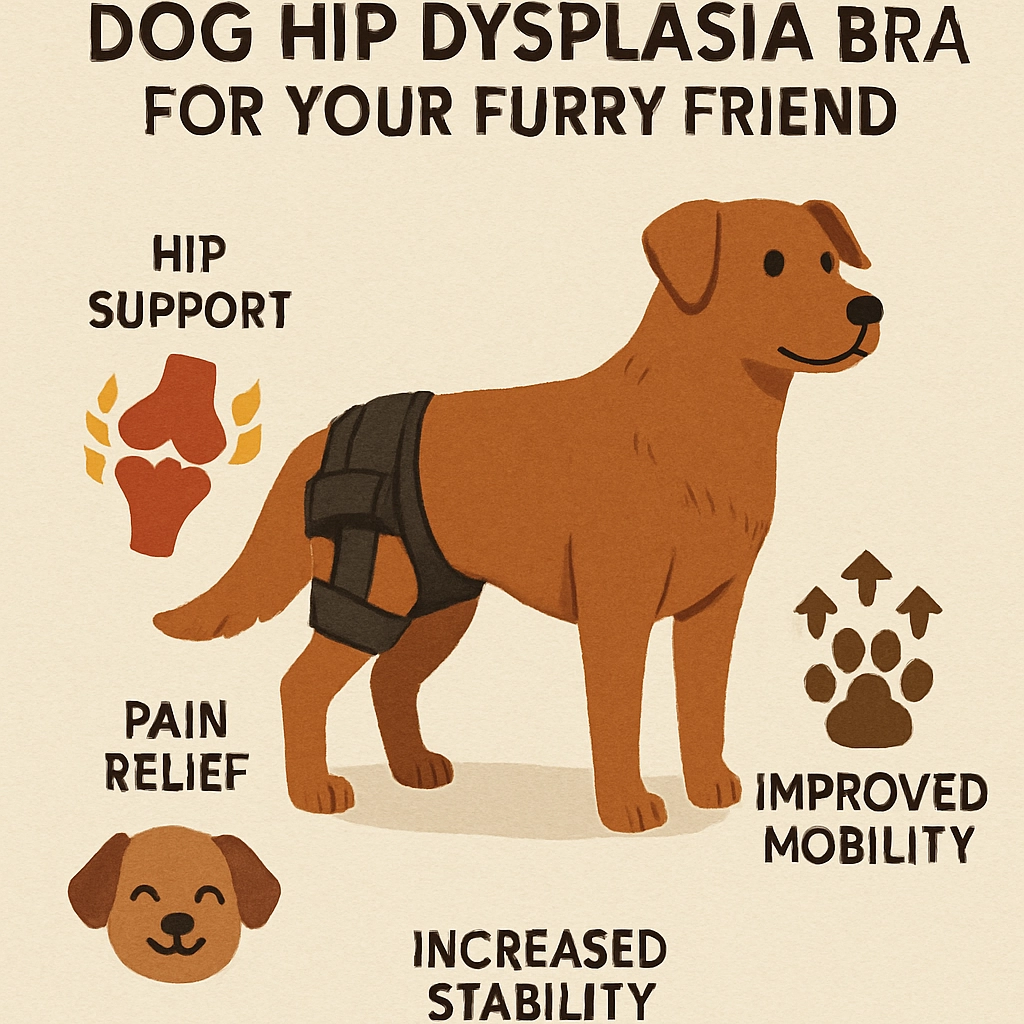
As dogs age or develop genetic joint issues, hip dysplasia can become a painful obstacle to their happiness and mobility. Thankfully, modern veterinary science has evolved—a dog hip dysplasia brace can make a world of difference. From reducing pain to improving movement, this simple yet effective solution helps dogs regain comfort and confidence in their daily lives.
In this article, we’ll explore what causes hip dysplasia, how a dog hip support brace works, and how you can choose the best option for your beloved pet.
1. Understanding Dog Hip Dysplasia
Causes of Hip Dysplasia
Hip dysplasia is a common skeletal condition that affects many medium and large dog breeds such as German Shepherds, Labradors, and Golden Retrievers. It occurs when the hip joint doesn’t fit properly into the socket, leading to looseness, joint wear, and eventual arthritis.
The main causes include:
-
Genetics: Certain breeds are predisposed to hip dysplasia due to inherited joint structures.
-
Rapid growth: Puppies that grow too quickly can develop weak hip joints.
-
Improper diet: Overfeeding and excessive calcium intake during growth phases can worsen the risk.
-
Lack of exercise: Insufficient or excessive physical activity can strain the developing hip joints.
Understanding these causes is the first step in managing the condition early, especially before severe pain or mobility loss sets in.
Symptoms to Watch For
Hip dysplasia develops gradually, but the symptoms are usually noticeable if you know what to look for. Common signs include:
-
Limping or stiffness, especially after rest
-
Difficulty standing up or climbing stairs
-
Reduced activity or reluctance to walk
-
Swaying gait or “bunny hopping” motion
-
Visible discomfort when touched near the hips
If you notice these symptoms, consult your veterinarian for an examination and possible imaging tests. Early detection means early management — and that’s where hip support braces for dogs come in.
2. What Is a Dog Hip Support Brace?
Design and Functionality
A canine hip dysplasia brace is a specially designed orthopedic support that stabilizes and aligns your dog’s hips to reduce pressure on the joints. It gently compresses and supports the hip area, allowing smoother movement and reduced pain during walking or exercise.
Typically, a dog hip support brace includes:
-
Adjustable straps for a snug, custom fit
-
Breathable fabric to keep your dog cool and comfortable
-
Elastic panels for flexibility and freedom of motion
-
Soft padding to prevent chafing and irritation
These braces are lightweight, easy to use, and designed to stay in place even during activity.
Types of Hip Support Braces for Dogs
Not all dogs have the same needs, so there are different brace types available:
-
Full-body hip and back braces – for dogs needing extra spinal and hind-leg support.
-
Wrap-style hip braces – lightweight and ideal for mild dysplasia or post-surgery recovery.
-
Adjustable compression braces – suitable for dogs with arthritis or chronic joint pain.
-
Rehabilitation braces – used after orthopedic surgeries to speed recovery.
Consult your vet to choose the most appropriate brace based on your dog’s weight, breed, and condition.
3. Benefits of Using a Dog Hip Dysplasia Brace
Pain Relief and Mobility Improvement
One of the greatest advantages of using a dog hip dysplasia brace is immediate pain relief. By stabilizing the hip joint, it prevents excessive movement that causes discomfort. This allows dogs to walk, run, and rest without strain.
Owners often report visible improvement in mobility just days after consistent use. Dogs can go for walks again, climb stairs, and enjoy playing—all with significantly less pain.
Enhanced Quality of Life
A hip support brace for dogs doesn’t just treat symptoms—it restores confidence. When your pet can move freely without pain, it positively impacts their overall well-being. They become more social, active, and emotionally balanced.
In addition, braces are a non-invasive solution compared to surgery, which can be expensive and risky, especially for senior dogs. For mild to moderate cases, a brace provides an affordable and effective alternative.
Other key benefits include:
-
Helps prevent further joint deterioration
-
Assists in post-surgical recovery
-
Reduces the need for long-term pain medications
-
Improves posture and balance
4. How to Choose the Right Hip Support Brace for Dogs
Factors to Consider
When selecting a dog hip brace, consider the following factors:
-
Size and fit: Always measure your dog’s waist and hips accurately. A loose brace won’t provide proper support.
-
Material: Look for breathable, washable, and skin-friendly materials.
-
Adjustability: Braces with adjustable straps ensure comfort as your dog moves.
-
Ease of use: A good design should allow quick fitting and removal.
-
Level of support: Choose between light, medium, and firm support depending on your dog’s condition.
Sizing and Fitting
Proper fit is crucial for effectiveness. Most manufacturers provide a size chart—measure your dog carefully around the waist, hips, and thighs. The brace should fit snugly but not too tight, ensuring blood circulation is not restricted.
A poorly fitted brace can cause rubbing or limit motion, so check your dog’s comfort after putting it on. Adjust straps as needed and observe them during movement.
5. Success Stories: Real-Life Impact of Hip Braces
Case Studies
Take “Luna,” a 7-year-old Labrador diagnosed with early-stage hip dysplasia. Her vet recommended a dog hip dysplasia brace instead of surgery. Within two weeks, Luna showed improved walking stability and reduced limping. She could once again chase her favorite ball without visible pain.
Another case involved “Rocky,” a senior German Shepherd with chronic arthritis. Using a hip support brace for dogs, combined with moderate exercise and diet adjustments, significantly improved his mobility and mood. His owners described it as “a second chance at an active life.”
Testimonials from Pet Owners
“Our Golden Retriever was struggling to climb stairs. After we started using the brace, we noticed improvement almost immediately. She’s happier and more playful now.” — Emily R., Texas
“The brace gave our dog his freedom back. It’s easy to put on, and he doesn’t even notice it after a few minutes.” — Jason K., California
These stories highlight how small innovations like a dog hip dysplasia brace can create a big difference in canine comfort and mobility.
Conclusion
A dog hip dysplasia brace is more than an accessory—it’s a lifeline for dogs suffering from hip pain and limited movement. Whether your pet is recovering from surgery or dealing with arthritis, a well-designed dog hip support brace can enhance comfort, restore mobility, and improve quality of life.
If you’re looking for an effective, non-invasive solution for hip dysplasia, explore our range of hip support braces for dogs today and help your furry friend walk, run, and play again with confidence.
0 Comments