
Veterinarian-Recommended Dog Knee Braces Complete Guide to Supporting Canine CCL Injuries
When your furry friend starts limping or showing signs of discomfort, it can be distressing for any pet owner. One common issue that many dogs face is a CCL (Cranial Cruciate Ligament) injury, which is quite similar to an ACL injury in humans. In such cases, a veterinarian-recommended dog knee brace can be a game-changer, providing essential support and aiding in the recovery process. This comprehensive guide will walk you through everything you need to know about
Understanding the intricacies of canine CCL injuries is crucial for any dog owner. Being informed about potential injuries can help you provide timely care and prevent further complications. By learning about the causes and symptoms of CCL injuries, as well as the role knee braces play in recovery, you can make informed decisions about your pet's health. This understanding will empower you to offer the best possible care and support to your furry friend, ensuring they lead a comfortable and active life despite any injury challenges they may face.
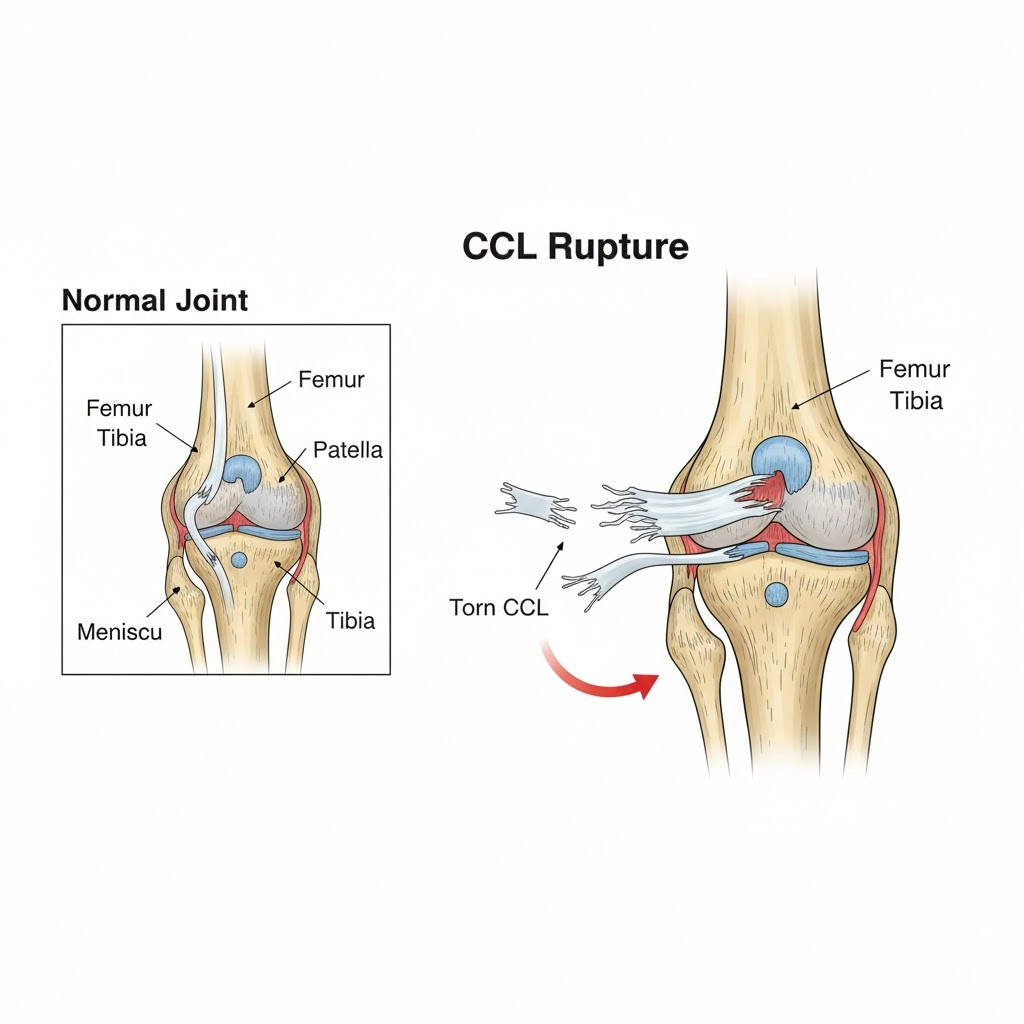
The CCL, or Cranial Cruciate Ligament, is a crucial ligament located within a dog's knee joint, responsible for stabilizing the knee and allowing for smooth, pain-free movement. This ligament is essential for maintaining the structural integrity of the knee, and when it becomes injured, it can lead to instability, pain, and potentially arthritis if left untreated. Dogs suffering from CCL injuries often exhibit signs such as limping, noticeable swelling, and difficulty bearing weight on the affected leg, which can significantly impact their mobility and overall quality of life.
Understanding the importance of the CCL is key to recognizing the severity of such injuries. The ligament's role is to connect the femur to the tibia, preventing the latter from sliding forward during movement. When the CCL is compromised, this sliding can occur, causing pain and further injury to the knee joint. In severe cases, the joint may become inflamed or develop degenerative changes, which can exacerbate pain and lead to chronic issues if not addressed promptly. Knowing these details helps in appreciating the necessity of timely intervention and appropriate treatment options, such as knee braces or even surgery.
Causes and Symptoms
CCL injuries are commonly caused by trauma, such as a sudden twist or impact, but they can also result from gradual wear and tear over time. Certain breeds, like Labradors, Golden Retrievers, and Rottweilers, are more prone to these injuries due to their size, activity levels, and genetic predispositions. Symptoms of a CCL injury include limping, noticeable swelling around the knee, and a reluctance to play, climb stairs, or partake in activities they previously enjoyed, which can be distressing for both the dog and its owner.
Identifying the root causes of CCL injuries can help in implementing preventative measures. Factors such as obesity, lack of muscle strength, and overexertion during physical activities can increase the risk of injury. Understanding these risk factors allows pet owners to make lifestyle adjustments that can prevent CCL injuries or minimize their severity. It's essential to monitor your dog's behavior closely; early detection of symptoms can lead to quicker intervention and a better prognosis, reducing the likelihood of long-term complications and ensuring your dog remains active and healthy.
The Role of Dog Knee Braces
How Do Knee Braces Help?
In addition to providing immediate relief, knee braces can play a vital role in long-term rehabilitation. By encouraging proper joint alignment and reducing strain on the injured ligament, braces can facilitate a more natural healing process. This support is especially beneficial during physical therapy exercises, as it allows for safer movement and contributes to rebuilding muscle strength around the knee. Moreover, knee braces can be used as a preventive measure for dogs that are prone to injuries, helping to mitigate the risk of future ligament damage and ensuring sustained mobility and quality of life.
Benefits of Using a Knee Brace
Using a
- Pain Relief: By stabilizing the knee joint, braces significantly reduce strain and alleviate pain, providing immediate comfort to your dog.
- Improved Mobility: With the added support, dogs can regain confidence in their movement, making it easier for them to engage in activities they enjoy without fear of pain or further injury.
- Faster Recovery: Braces can enhance the healing process when used in conjunction with veterinary care and rehabilitation exercises, leading to a quicker return to normal activity levels.
- Preventative Measure: For dogs at risk of CCL injuries, braces can serve as a preventative tool, reducing the likelihood of injuries occurring or worsening, thus maintaining their long-term joint health.
In addition to these benefits, using a knee brace can also give pet owners peace of mind, knowing that they are actively contributing to their dog's recovery and well-being. The use of a brace can also reduce the need for more invasive treatments, such as surgery, which can be costly and require significant recovery time. By investing in a quality knee brace, you are taking a proactive step in ensuring your dog's comfort and health, allowing them to enjoy a fulfilling and active lifestyle.
Choosing the Right Knee Brace for Your Dog
Types of Dog Knee Braces
There are several types of
- Custom-Made Braces: These braces are tailored to fit your dog's exact measurements, offering optimal support and comfort. They are ideal for severe injuries or post-surgical recovery, ensuring a precise fit that maximizes the therapeutic benefits of the brace.
- Off-the-Shelf Braces: These pre-made braces come in various sizes and are more affordable, making them suitable for less severe injuries or as a temporary solution while waiting for a custom brace. They provide adequate support for mild to moderate injuries and can be a practical choice for budget-conscious pet owners.
- Adjustable Braces: Featuring adjustable straps, these braces allow for a snug fit, catering to different leg sizes and shapes. They offer flexibility in fit and can accommodate changes in the dog's body, such as swelling reduction or muscle gain, ensuring continued support as the dog recovers.
When selecting a knee brace, it's essential to consider the specific needs of your dog and the nature of their injury. Custom braces, while more expensive, provide the most precise fit and support, making them suitable for complex cases. Off-the-shelf and adjustable braces offer convenience and flexibility, making them ideal for less severe injuries or as interim solutions. Consulting with your veterinarian can help you determine the most appropriate type of brace for your dog's condition, ensuring optimal care and recovery.
Factors to Consider
When selecting a knee brace for your dog, consider the following factors to ensure the best fit and effectiveness:
- Size and Fit: A well-fitted brace ensures maximum support and comfort for your dog, preventing chafing or slippage during movement. Accurate measurements of your dog's leg are crucial to selecting the right size.
- Material: Look for durable, breathable materials to keep your dog comfortable, especially during prolonged use. The material should also be easy to clean and maintain, ensuring the brace remains hygienic and functional.
- Veterinary Recommendation: Always consult your veterinarian to ensure the brace is appropriate for your dog's specific condition and meets their unique needs. A professional assessment can guide you in choosing the most effective brace for your dog's recovery.
Additionally, consider your dog's activity level and lifestyle when choosing a brace. For active dogs, a more robust and secure brace may be necessary to withstand rigorous activity. Conversely, for dogs with limited mobility, a lighter and more flexible brace may be more comfortable. By taking these factors into account, you can select a knee brace that provides the best support and facilitates your dog's healing journey.
How to Use a Dog Knee Brace
Proper Application and Fit

- Measure: Accurately measure your dog's leg to choose the correct size, ensuring the brace offers the necessary support without being too tight or loose.
- Position: Place the brace on the injured leg, ensuring it aligns with the knee joint for optimal stabilization and support.
- Secure: Fasten the straps securely but not too tightly to avoid restricting circulation or causing discomfort. The brace should remain in place during movement without slipping or rotating.
- Adjust: Check the fit regularly, especially after initial use, as the brace may shift or require tightening to maintain effectiveness. Continual adjustments ensure ongoing comfort and support for your dog.
Proper application is essential for maximizing the benefits of a knee brace. Taking the time to ensure a correct fit can prevent additional injuries and discomfort, allowing your dog to move confidently and comfortably. If you're unsure about fitting the brace, consult with your veterinarian or a professional for guidance and assistance.
Monitoring and Maintenance
- Regular Checks: Inspect the brace daily for signs of wear and tear, such as frayed straps or damaged materials. Adjust the fit as necessary to maintain effectiveness and comfort.
- Cleaning: Keep the brace clean by following the manufacturer's cleaning instructions, which helps prevent skin irritation and prolongs the brace's lifespan. Regular cleaning ensures the brace remains hygienic and free from bacteria buildup.
- Observe Your Dog: Monitor your dog's behavior and comfort level while wearing the brace. Look for signs of discomfort, such as excessive licking or reluctance to move, which may indicate an issue with the fit or function of the brace.
Regular monitoring and maintenance of the knee brace are crucial for ensuring its continued effectiveness in supporting your dog's recovery. By keeping the brace in good condition and observing your dog's response, you can make timely adjustments and address any concerns that arise, ensuring your pet remains comfortable and on the path to recovery.
Alternatives and Complementary Treatments
Surgery and Rehabilitation
In some cases, surgery may be necessary to fully repair a CCL injury, especially in severe cases where the ligament is completely torn. Post-surgery, knee braces can play a vital role in the recovery process by providing support and stability during the critical healing period. Physical therapy and controlled exercise are also beneficial for strengthening the muscles around the knee, improving joint function, and preventing future injuries.
Rehabilitation is an essential component of recovery, whether surgery is involved or not. A structured rehabilitation program can include activities such as hydrotherapy, massage, and range-of-motion exercises, all designed to enhance recovery and restore strength and mobility. Combining surgical intervention with comprehensive rehabilitation and the use of a knee brace can significantly improve outcomes, leading to a quicker and more effective recovery.
Lifestyle Adjustments
- Weight Management: Keeping your dog at a healthy weight reduces strain on the joints, which is crucial for preventing CCL injuries and promoting recovery. A balanced diet and regular exercise tailored to your dog's needs can help maintain an optimal weight and support joint health.
- Controlled Exercise: Engage in low-impact activities like swimming or gentle walks to maintain fitness without stressing the knee. These activities provide excellent cardiovascular benefits while minimizing the risk of further injury, ensuring your dog remains active and healthy.
Incorporating lifestyle adjustments can enhance the recovery process and prevent future injuries. By managing your dog's weight and engaging in appropriate exercise, you can support their overall health and well-being. These changes, combined with the use of a knee brace and other treatments, create a comprehensive approach to managing CCL injuries and ensuring your dog enjoys a long, active life.
0 Comments