
In the ever-evolving pet product market, where consumers increasingly seek personalized, high-quality items for their furry companions, the demand for unique and functional pet bowls has never been higher. For B2B buyers—whether you’re a pet retail chain, an online marketplace seller, a brand owner, or a distributor—sourcing the right custom pet bowl isn’t just about finding a product to sell; it’s about partnering with a supplier that aligns with your brand values, meets your quality standards, and helps you stand out in a crowded market.
Many buyers make the mistake of prioritizing price over partnership, only to face delays, inconsistent quality, or limited customization options that hurt their bottom line. The truth is, a reliable ceramic pet bowl exporter or custom pet bowl manufacturer can be the difference between a successful product line and one that fails to resonate with your customers. In this guide, we’ll dive into the nuances of sourcing custom pet bowls, the key factors to look for in a supplier, and how investing in quality and customization can drive long-term growth for your business.
We’ll move beyond generic advice and focus on real-world challenges B2B buyers face—from navigating minimum order quantities (MOQs) to ensuring compliance with global safety standards, and from balancing customization with cost to building a supply chain that’s both efficient and sustainable. By the end, you’ll have a clear roadmap to finding the perfect partner for your custom pet bowls needs, and understand why this partnership is one of the most critical decisions you’ll make for your pet product business.
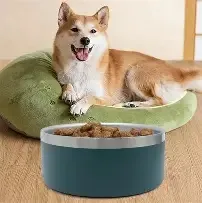
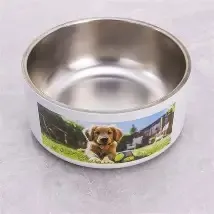
1. The Rise of Custom Pet Bowls: Why Personalization Is Non-Negotiable for B2B Success
To understand why choosing the right custom pet bowl partner is so important, we first need to look at the market trends driving demand for personalized pet products. Pet humanization—the trend of treating pets as family members—has been a game-changer for the industry, and it’s only accelerating. According to recent market reports, the global pet accessories market is projected to grow at a CAGR of 8.2% through 2030, with personalized items accounting for a significant portion of that growth.
Pet owners today don’t just want a functional bowl for their dog or cat; they want one that reflects their pet’s personality, matches their home decor, or even features their pet’s name or photo. For B2B buyers, this means that offering custom pet bowl options isn’t just a “nice-to-have”—it’s a necessity to stay competitive. Retailers and brand owners that offer personalized pet bowls see higher conversion rates, better customer loyalty, and higher profit margins compared to those that only sell generic, one-size-fits-all products.
But customization isn’t just about aesthetics. It’s also about functionality. Different pets have different needs: a large breed dog requires a deeper, sturdier bowl to prevent tipping, while a flat-faced cat needs a shallow bowl to avoid whisker fatigue. A reliable custom pet bowl supplier will work with you to design products that meet these specific needs, incorporating features like non-slip bases, dishwasher-safe materials, and ergonomic designs—all while allowing you to add your brand logo, choose colors, or even create unique shapes.
For example, a pet retail chain looking to launch a private label line might partner with a supplier to create custom ceramic pet bowls in their brand colors, with their logo embossed on the side. An online marketplace seller might offer personalized bowls with pet names, targeting pet owners looking for a thoughtful gift. In both cases, the ability to customize isn’t just a selling point—it’s a way to differentiate from competitors and build a loyal customer base.
The problem many B2B buyers face is finding a supplier that can deliver on these customization promises without cutting corners on quality or inflating costs. This is where working with an experienced ceramic pet bowl exporter or custom manufacturer becomes critical. These suppliers have the expertise, equipment, and quality control processes to turn your vision into a high-quality product that meets both your standards and the expectations of your customers.
2. What to Look for in a Ceramic Pet Bowl Exporter: Beyond Price and MOQs
When sourcing custom pet bowls—especially ceramic ones—many B2B buyers start by comparing prices and minimum order quantities (MOQs). While these are important factors, they shouldn’t be the only ones. A cheap supplier with low MOQs might seem like a good deal upfront, but if they deliver poor-quality products, miss deadlines, or fail to meet safety standards, you’ll end up losing money in the long run.
So, what should you really look for in a ceramic pet bowl exporter? Let’s break down the key criteria that separate reliable partners from risky ones:
First, quality control is non-negotiable. Ceramic pet bowls need to be durable, non-toxic, and free from defects like cracks, chips, or uneven glazing. A reputable exporter will have strict quality control processes in place, from sourcing raw materials to the final inspection before shipping. They should be able to provide you with test reports confirming that their products are food-safe, lead-free, and compliant with global standards like FDA (for the US), EU food contact regulations, and RoHS.
Don’t be afraid to ask for samples. A good supplier will happily send you samples of their custom pet bowls so you can test the quality firsthand—feel the weight, check the glazing, and ensure that any customization (like logos or colors) meets your expectations. If a supplier refuses to send samples or charges an exorbitant fee for them, that’s a red flag.
Second, customization capabilities matter. Not all exporters are created equal when it comes to customizing pet bowls. Some might only offer limited color options or basic logo printing, while others can handle complex designs, unique shapes, and even custom glazes. Before partnering with a supplier, clearly communicate your customization needs—whether you want to add your brand logo, create a unique shape, or offer personalized text—and ask for examples of their past custom work. This will give you a sense of their expertise and whether they can deliver what you’re looking for.
Third, reliability and communication are key. B2B sourcing is all about trust—you need a supplier that will deliver on time, keep you updated on the production process, and respond quickly to any questions or issues that arise. A good ceramic pet bowl exporter will assign you a dedicated account manager who acts as your single point of contact, providing regular updates on your order and addressing any concerns promptly. They should also be transparent about lead times, MOQs, and any potential delays, so you can plan your inventory and marketing accordingly.
Fourth, consider their sustainability practices. Today’s consumers—including pet owners—are increasingly conscious of environmental impact. Partnering with a supplier that uses eco-friendly materials, reduces waste in production, and uses sustainable packaging can be a major selling point for your brand. Ask the exporter about their sustainability initiatives: do they use recycled materials? Do they have energy-efficient production processes? Are their glazes non-toxic and eco-friendly? These factors not only align with consumer values but also help you build a more responsible and reputable brand.
Finally, don’t overlook after-sales support. Even the best suppliers can make mistakes, and you want to partner with one that will stand behind their products. If a batch of custom pet bowls arrives with defects, will the exporter replace them promptly? Do they offer a warranty or guarantee on their products? A supplier with strong after-sales support will help you resolve any issues quickly, minimizing disruption to your business and protecting your brand reputation.
3. Balancing Customization, Cost, and Scalability: Tips for B2B Buyers
One of the biggest challenges B2B buyers face when sourcing custom pet bowls is balancing customization, cost, and scalability. On one hand, you want to offer unique, high-quality products that stand out; on the other hand, you need to keep costs in check and ensure that your supplier can scale with your business as demand grows.
Let’s start with cost. Customization often comes with a higher price tag, but that doesn’t mean you have to break the bank. Here are a few tips to keep costs down while still getting the customization you need:
First, optimize your MOQs. Many suppliers offer lower unit costs for larger orders, so if you have a steady demand for custom pet bowls, consider placing larger, less frequent orders to take advantage of volume discounts. If you’re just starting out or testing a new product line, look for suppliers that offer flexible MOQs—some will work with you to create smaller batches (50-100 units) to help you test the market before committing to a larger order.
Second, simplify your customization where possible. Complex designs, unique shapes, or multiple colors can increase production costs. If you’re on a budget, focus on the most impactful customization elements—like your brand logo or a single custom color—rather than overcomplicating the design. A simple, well-executed custom bowl is often more effective than a overly complex one that drives up costs.
Third, negotiate with your supplier. Don’t be afraid to ask for a better price, especially if you’re placing a large order or planning to work with them long-term. Many ceramic pet bowl exporters are willing to negotiate on price, especially if they see you as a valuable, long-term partner. You can also ask about bulk discounts, free shipping, or other incentives to help reduce your overall costs.
Next, scalability. As your business grows, your demand for custom pet bowls will too. You need a supplier that can keep up with this growth, without sacrificing quality or increasing lead times. When evaluating suppliers, ask about their production capacity: how many bowls can they produce per month? Do they have the ability to scale up production quickly if your demand increases? Can they handle multiple orders at once? A supplier with limited production capacity might be able to meet your current needs, but they’ll hold you back as your business grows.
Another aspect of scalability is flexibility. As market trends change, you might need to adjust your custom pet bowl designs—adding new features, changing colors, or updating your logo. A flexible supplier will be able to adapt to these changes quickly, without requiring you to start from scratch or pay exorbitant fees. They should also be open to testing new designs and providing feedback to help you improve your product line.
Finally, build a long-term partnership. Working with the same supplier over time has many benefits: they’ll get to know your brand, your preferences, and your customers, making it easier to deliver high-quality, customized products. They’ll also be more likely to offer you better prices, faster lead times, and priority support. When you find a supplier that meets your quality standards, communicates effectively, and supports your growth, invest in that relationship— it will pay off in the long run.
4. Avoiding Common Pitfalls When Sourcing Custom Pet Bowls
Even with the best intentions, many B2B buyers make mistakes when sourcing custom pet bowls that end up costing them time, money, and reputation. Let’s look at some of the most common pitfalls and how to avoid them:
Pitfall 1: Prioritizing price over quality. It’s tempting to choose the cheapest supplier, but low-quality pet bowls will lead to returns, negative reviews, and lost customers. A bowl that chips easily, fades, or is made with toxic materials will damage your brand and cost you more in the long run than a slightly more expensive, high-quality product. Always prioritize quality over price—your customers (and your bottom line) will thank you.
Pitfall 2: Not clarifying customization requirements upfront. Miscommunication is one of the biggest causes of failed orders. Before placing an order, make sure you and your supplier are on the same page about every detail: the design, colors, logo placement, materials, and any special features. Provide clear, detailed specifications, and ask the supplier to send you a proof before production begins. This will help avoid costly mistakes and ensure that the final product matches your vision.
Pitfall 3: Ignoring safety standards. Pet bowls are in direct contact with food and water, so they must meet strict safety standards. Using a supplier that doesn’t comply with FDA, EU, or other global regulations can lead to product recalls, legal issues, and damage to your brand. Always ask for test reports and confirm that the supplier’s products are food-safe, lead-free, and non-toxic.
Pitfall 4: Not testing samples. As mentioned earlier, samples are critical to ensuring quality and customization. Skipping the sample stage can lead to unpleasant surprises when your order arrives—bowls that are the wrong color, have misprinted logos, or are of poor quality. Always request samples, test them thoroughly, and only place a large order once you’re satisfied with the sample.
Pitfall 5: Overlooking lead times. Many B2B buyers underestimate lead times, especially when ordering custom products. Ceramic pet bowls require time to design, produce, and ship—often 4-8 weeks or more. If you’re planning to launch a new product line or restock inventory, make sure you factor in lead times and place your order well in advance. This will help you avoid stockouts and ensure that you can meet customer demand.
Conclusion
Sourcing custom pet bowls for your B2B pet product business is more than just a transaction—it’s a partnership that can make or break your success. By choosing a reliable ceramic pet bowl exporter that prioritizes quality, customization, and communication, you can offer your customers high-quality, personalized products that stand out in a crowded market. Balancing customization, cost, and scalability will help you build a sustainable supply chain, while avoiding common pitfalls will protect your brand and bottom line.
Remember, the best suppliers aren’t just vendors—they’re partners who understand your business goals and work with you to achieve them. Take the time to research, test samples, and build a long-term relationship with a supplier that aligns with your brand values. In the end, this investment will pay off in higher customer loyalty, better profit margins, and long-term growth for your pet product business.
0 Comments