
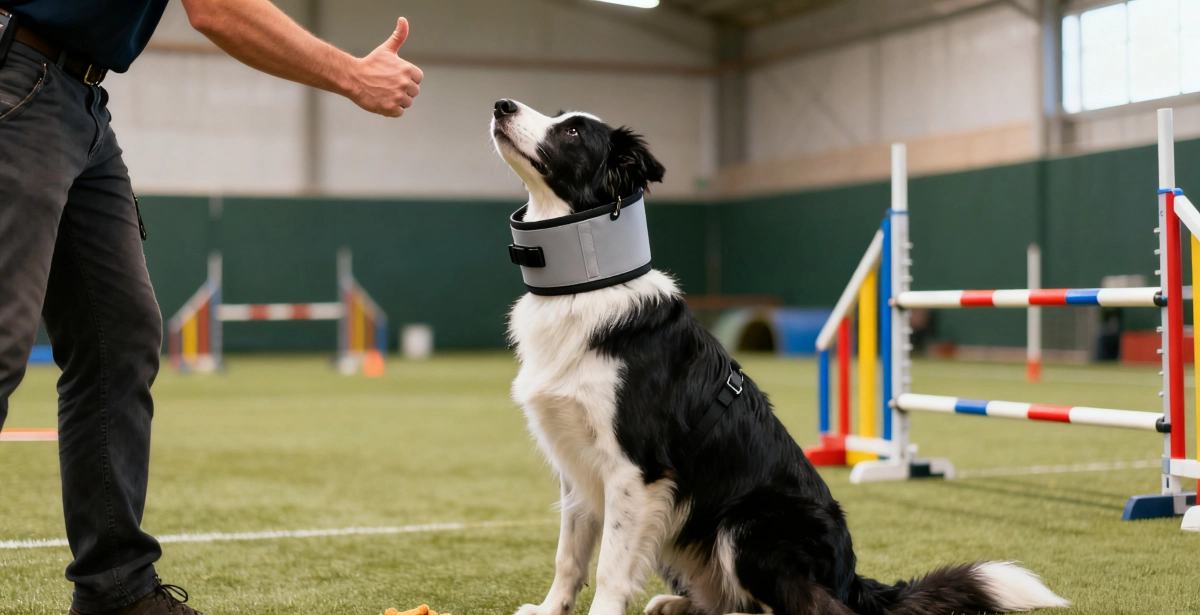
Understanding the Importance of Canine Neck Protection
As pet owners, we often prioritize visible aspects of our dogs’ health—like diet and exercise—while overlooking subtle vulnerabilities. One such area is the neck. Unlike humans, dogs rely heavily on neck movement for balance, communication, and daily activities. However, this flexibility comes with risks: injuries from pulling on leashes, rough play, or even underlying conditions like cervical disc disease. A dog neck protector is designed to mitigate these risks by providing support without restricting natural movement. Made from lightweight, breathable materials, modern protectors blend functionality with comfort, ensuring your pet remains active while staying safe.
Choosing the Right Neck Protector for Your Dog
Selecting a neck protector requires attention to fit, material, and purpose. Measure your dog’s neck circumference and consider their breed-specific needs—e.g., deep-chested breeds like Greyhounds may require adjustable designs. Look for products with moisture-wicking fabrics to prevent skin irritation, especially for long-term wear. For dogs with arthritis or joint stiffness, pairing a neck protector for dogs with a dog elbow brace for arthritis can provide comprehensive support. Elbow braces stabilize joints, reduce inflammation, and improve mobility, making them ideal for senior dogs or those recovering from surgery. Always consult your veterinarian to align product choices with your dog’s health needs.
Integrating Protective Gear into Daily Life
Introducing your dog to a neck protector or elbow brace requires patience. Start with short wearing sessions, gradually increasing duration as your pet adapts. Use positive reinforcement—treats or praise—to create positive associations. For active dogs, combine protectors with training exercises to discourage pulling or jumping. Regularly inspect the gear for wear and tear, and prioritize cleaning to maintain hygiene. Remember, these tools are part of a broader health strategy: pair them with regular vet check-ups, balanced nutrition, and moderated exercise to ensure your dog’s long-term well-being.
0 Comments